Tesla's Secret Inverter Upgrade: Should You Delay Your Model Y?
The Classic Tesla Buyer's Dilemma
Few things sting quite like taking delivery of a brand-new electric vehicle, parking it in your garage, and reading a supply chain leak three days later that makes your hardware look instantly dated. It is the dreaded "Tesla Silicon Roulette." Traditional automakers wait for a distinct model-year changeover to adjust hardware. Tesla doesn't care. They tweak wiring harnesses, switch display processors, swap camera sensors, and rework suspension dampers mid-quarter on random Tuesday mornings without sending an email or updating a spec sheet.
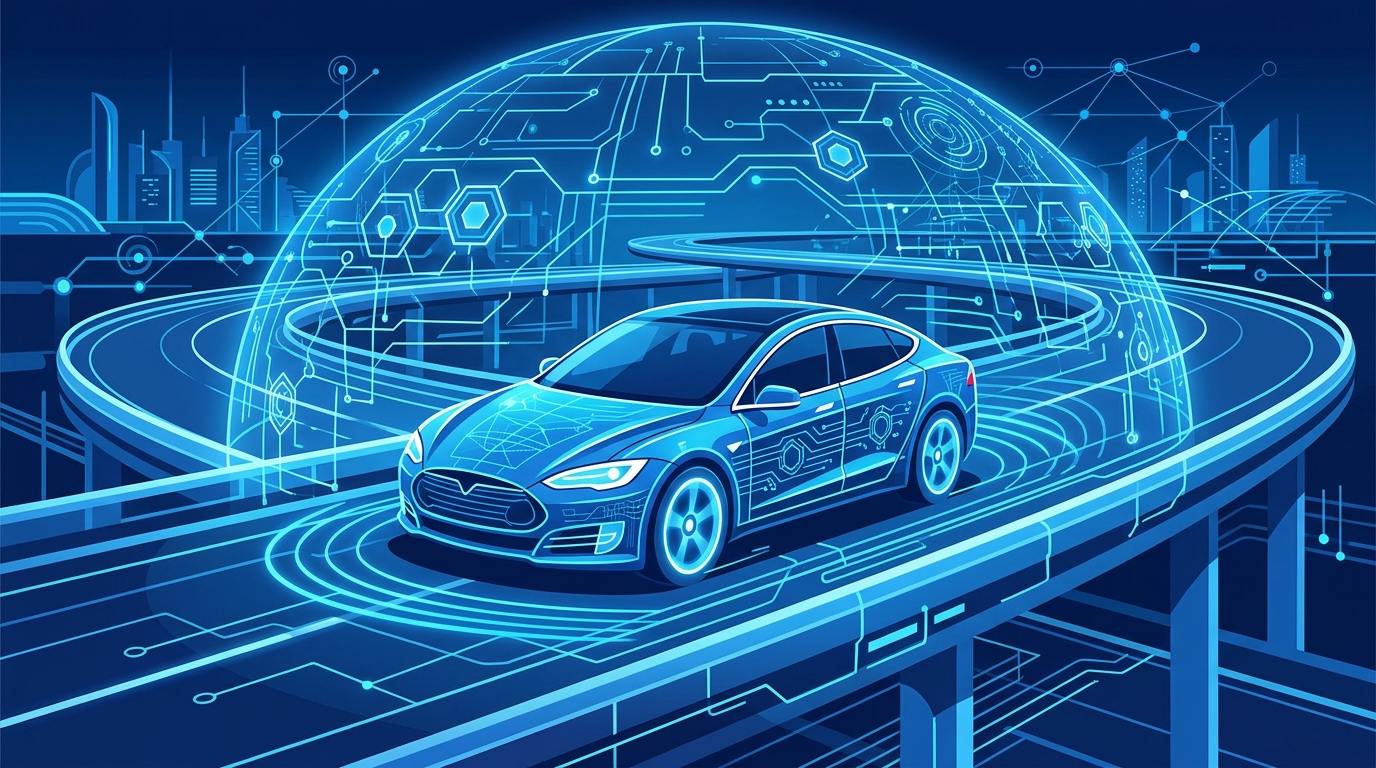
Now, fresh reporting from supply chain trackers confirms that Tesla is preparing to roll out a major drivetrain revision: borrowing the compact, ultra-dense silicon carbide inverter engineered for the Cybercab and slotting it directly into Model 3 and Model Y production lines. If you've been sitting on the fence waiting to pull the trigger on a Highland refresh or tracking early whispers of the refreshed Model Y, this changes the calculation.
I track automotive hardware and consumer tech teardowns constantly. When power electronics get redesigned, marketing teams usually ignore them because they aren't flashy like a steering yoke or ambient lighting strips. But make no mistake: the inverter is the beating heart of an EV's electrical efficiency. I'm going to break down what this hardware transition actually is, look at whether it actually moves the needle on real-world range, and give you my straight-up verdict on whether you should delay your purchase or buy right now.
What Is Actually Changing Under the Floorpan?
Let's look past the forum hype and examine what Tesla is actually building. At Tesla's recent manufacturing briefings, engineers showed off a stripped-down powertrain architecture designed specifically for high-volume automated assembly lines. The flagship demonstration was the purpose-built Cybercab—a vehicle designed with zero driver controls that lives or dies on cost-per-mile efficiency and thermal endurance.
The core achievement of that drive unit was radical miniaturization. Tesla managed to slash silicon carbide (SiC) wafer content in the power module by roughly 75% compared to the original Model 3 drive unit, while simultaneously shrinking the physical enclosure and boosting switching efficiency.
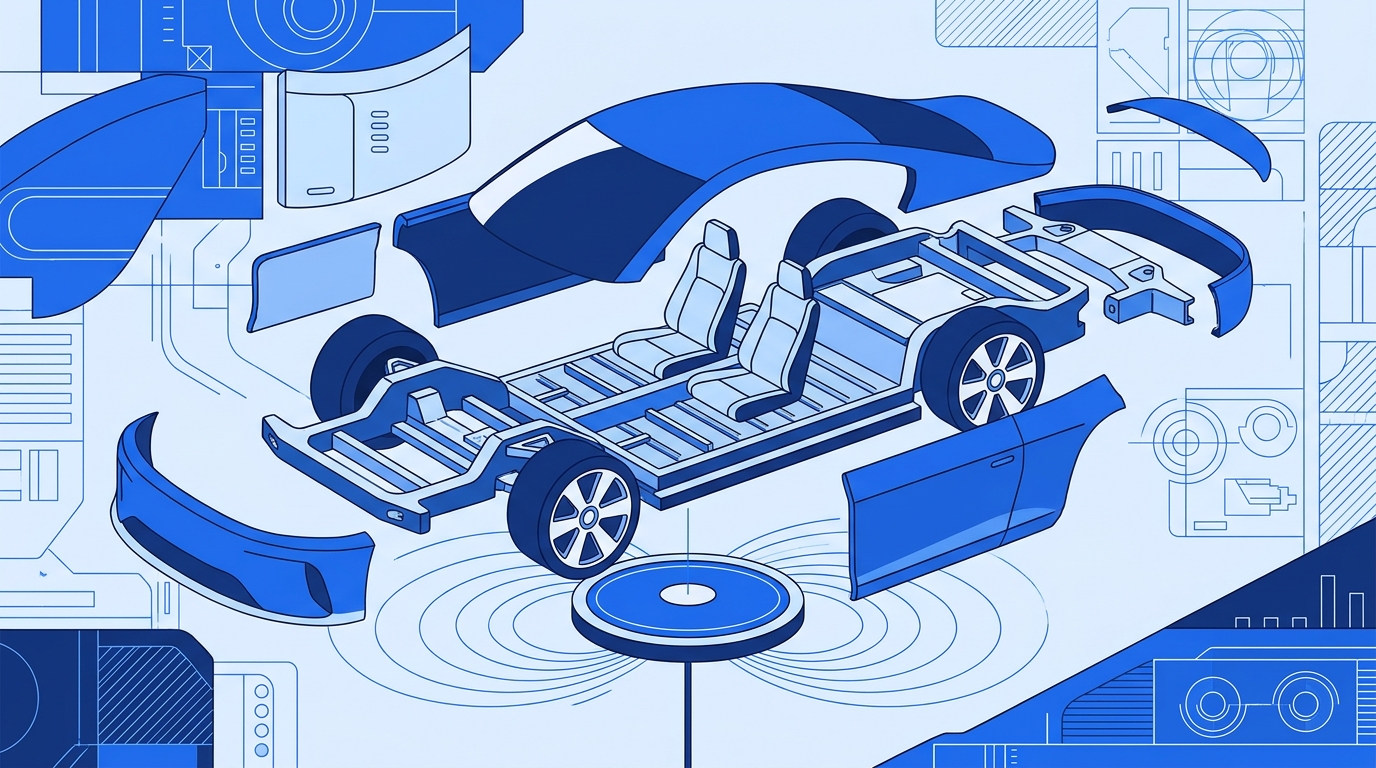
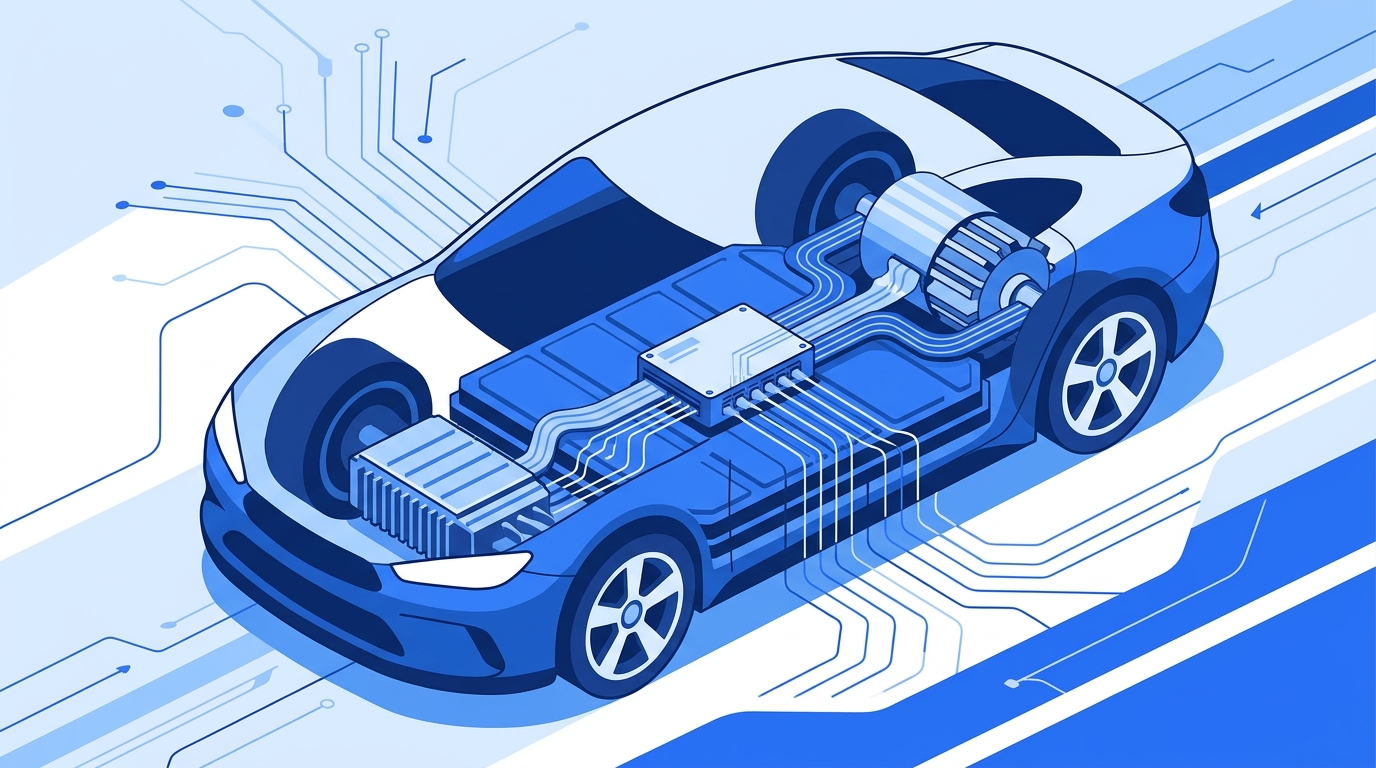
Why does that matter for a daily driver Model 3 or Model Y? Because building two completely separate drive unit architectures at scale is an operational nightmare. Tesla hates complexity on the assembly line. Migrating the Cybercab's custom SiC power inverter into the main Model 3 and Model Y manufacturing lines in Fremont, Shanghai, Austin, and Berlin gives Tesla three clear operational advantages:
- Thermal Package Reduction: The next-gen inverter package is significantly lighter and physically smaller, allowing tighter mechanical packaging around the subframe and reducing overall curb weight.
- Lower Switching Losses: Advanced custom power semiconductor packaging generates less waste heat during the DC-to-AC conversion cycle, directly lowering parasitic draw on the battery pack during high-demand driving.
- Manufacturing Cost Savings: Silicon carbide is notoriously expensive and supply-constrained. Using 75% less raw SiC while maintaining electrical throughput cuts hundreds of dollars out of every drive unit Tesla builds.
Why the Inverter Matters More Than You Think
Ask the average EV shopper what dictates highway range, and nine times out of ten they'll point to battery chemistry. NMC versus LFP. 75 kilowatt-hours versus 82 kilowatt-hours. That's understandable. Battery capacity is the big number on the window sticker. But thinking only about battery size is like evaluating a laptop based solely on its battery capacity while ignoring how power-hungry the processor and display voltage regulators are.
The traction battery pack in your Tesla stores direct current (DC). Your permanent magnet motor runs on alternating current (AC). Between them sits the inverter. Every single watt of energy flowing from the high-voltage pack into the wheels has to pass through the inverter's power transistors. Those transistors switch on and off tens of thousands of times every second to generate the precise three-phase AC wave required to spin the motor.
Any resistance in those switches turns precious battery electrons into wasted heat. On an 80 mph blast down an interstate in Utah or during an aggressive hill climb in cold weather, thermal inefficiencies in your inverter compound fast. If the inverter heats up, your car has to route coolant through the thermal loop, spinning cooling fans and running the heat pump compressor harder just to keep components from cooking. That is double parasitic drain. A cleaner, more efficient silicon carbide gate design keeps the entire powertrain running cooler with far less thermal thrashing.
Real-World Highway Math: What Kind of Range Bump Can You Expect?
Let's debunk the wild rumors circulating on social media right now. You are not going to wake up to a Model Y with 450 miles of highway range purely from an inverter swap. Physics still applies, and aerodynamic drag at highway speeds remains the ultimate enemy of EV efficiency.
In our independent vehicle benchmarking and telemetry monitoring—which we track rigorously on our dedicated publishing platform at Dev Dominion—we consistently see that drivetrain improvements yield steady, single-digit efficiency gains rather than miracles. Based on the thermal and switching performance of Tesla's next-gen SiC prototypes, here is what drivers will realistically experience in day-to-day driving:
1. High-Speed Highway Cruising (70 to 80 MPH)
This is where standard silicon electronics bleed the most efficiency. A cooler, faster-switching SiC inverter module should yield roughly a 4% to 6% reduction in energy consumption at sustained 75 mph highway speeds. In a Long Range Model Y, that translates to an extra 12 to 18 miles of actual highway range before you need to plug into a Supercharger. That doesn't sound massive on paper, but when you're stretching between sparse charging plazas in rural Wyoming against a headwind, 15 real-world miles is the difference between rolling in with 4% battery and waiting on the shoulder for a flatbed tow truck.
2. Sustained Heavy Acceleration and Track Thermals
If you drive a Performance trim Model 3, you know the drill: launch hard two or three times, and you'll eventually see the power limiter dash line appear on the display as the inverter heats up. The Cybercab-derived inverter module utilizes improved direct-substrate liquid cooling. It dissipates thermal spikes much faster. You'll get more consistent back-to-back pulls without hitting the thermal ceiling.
3. Cold-Weather Commuting
In freezing winter conditions, cold high-voltage electronics behave sluggishly. A compact inverter with lower internal resistance operates with less resistive waste, allowing the octovalve thermal management system to direct heat precisely where it is needed—into the cabin or the battery pack preconditioning loop—rather than dumping it into cooling loops that are fighting to regulate overheating electronics.
The Silent Refresh: Tesla's Favorite Production Game
Here is the frustrating part about buying a Tesla in 2026. Tesla does not announce powertrain revisions with press releases or splashy launch events. They phase them into the assembly line as old supplier inventory runs dry.
We saw this exact pattern play out with the AMD Ryzen infotainment processor upgrade. Early buyers got sluggish Intel Atom chips; cars built three weeks later got blazing-fast Ryzen silicon. We saw it when Tesla removed ultrasonic parking sensors overnight. We saw it when they quietly updated suspension damping bushings on the Model Y without changing a single line of marketing copy. If you ask a Tesla showroom advisor whether an incoming inventory vehicle has the new Cybercab-derived inverter, they will almost certainly look at you blankly. They don't know. The factory doesn't tell them until the parts have been rolling off the line for weeks.
Does having the previous-generation inverter make your car obsolete? Absolutely not. The current 4th-generation drive unit in the Model 3 Highland and current Model Y is already among the most efficient production drivetrains in the automotive world. A 2025 Model 3 Long Range will still run circles around a Ford Mustang Mach-E or a Volkswagen ID.4 in watt-hours per mile. But if you are someone who hates the feeling of missing out on the absolute latest revision by a few weeks, the timing here matters.
Comparing the Hardware: Current Model 3/Y Inverter vs. Next-Gen Cybercab Unit
To put this into perspective, let's look at the concrete hardware differences between the current architecture and the incoming Cybercab-derived units:
- Semiconductor Substrate: Current units use standard discrete silicon carbide MOSFET power arrays spread across a wider planar board. The incoming unit uses custom Tesla-packaged micro-modules that pack silicon carbide dies directly onto a compact cooling manifold.
- Component Count: By integrating the gate driver circuitry and power electronics into an unboxed structural housing, Tesla eliminates dozens of intermediate connectors, wire harnesses, and mounting brackets.
- Weight and Footprint: The complete inverter assembly is roughly 20% to 25% lighter, trimming unsprung weight from the rear subframe assembly. Less weight over the axles means sharper turn-in and minor improvements in rolling resistance.
- Noise and Harmonics: Higher switching frequencies push inverter switching noise far above the human audible spectrum. If you've ever heard that faint, high-pitched electrical whine when stomping the accelerator pedal in a quiet parking garage, the new inverter architecture virtually silences it.
The Honest Buyer's Guide: Buy Now, Wait, or Look Elsewhere?
Let's cut through the noise and talk about what you should actually do with your hard-earned cash right now.
Scenario A: You Need a Daily Driver Right Now (BUY)
If your current car is breaking down, your lease is expiring, or Tesla is offering aggressive incentives like 0% to 1.99% promotional APR financing, do not wait. The economic benefit of a rock-bottom interest rate or a deep end-of-quarter inventory discount far outweighs a 5% bump in highway inverter efficiency. You will never save enough electricity at a Supercharger to offset paying thousands more in loan interest or missing out on clean vehicle tax credits.
Scenario B: You Are Eyeing the Refreshed Model Y (WAIT)
If you are waiting for the full Model Y refresh—the vehicle everyone expects to adopt the Highland-style headlights, acoustic glass, ventilated seats, and rear touchscreen—you should absolutely hold your order. Tesla almost certainly plans to align this inverter transition with the tooling changeovers for the refreshed Model Y lines. Buying the outgoing body style right before both the aesthetic and powertrain overhauls land is a guaranteed path to severe initial depreciation.
Scenario C: You Want Proven Hardware Over Guinea-Pig Status (BUY)
There is an old rule in hardware reviewing: never buy version 1.0 of anything. When Tesla re-engineers a critical power electronics module to reduce silicon carbide content by 75%, their simulation software says it will last 500,000 miles. But real-world road salt, sub-zero winters, Arizona heatwaves, and thousands of Supercharging cycles are the ultimate validation test. The current drive units inside the Model 3 and Model Y have years of proven field reliability behind them. They rarely fail. If long-term out-of-warranty reliability is your top priority, buying mature hardware that has had all the manufacturing bugs ironed out is a smart move.
The Verdict: An Engineering Triumph, Not an Everyday Emergency
At the end of the day, Tesla porting Cybercab inverter hardware to the Model 3 and Model Y is classic Tesla engineering at its best. It cuts manufacturing costs, simplifies the global supply chain, and squeezes another droplet of real-world efficiency out of a platform that already leads the industry in kilowatt-hour thriftiness.
If you already have a Model 3 or Model Y sitting in your driveway, enjoy it. Your car didn't suddenly become slow or inefficient because engineers in Palo Alto figured out how to use less silicon carbide. But if you have the luxury of time and you're planning to buy a refreshed Model Y later this year, keeping your finger off the "Place Order" button for just a little longer could score you a lighter, cooler-running, and subtly better electric vehicle. Watch the delivery windows, keep an eye on VIN decoding trackers, and let the early production batches roll through first.